Your restaurant’s web presence can make or break a reservation. Luxury diners expect a site that feels like a short film and also knows who to call when they click. Below is a short list of the five platforms that deliver on those expectations.
Table of Contents
- 1. Umania Labs (Our Top Pick) , Cinematic Luxury Websites
- 2. Integrated Reservation System , Seamless Reservations Integration
- 3. Drag‑and‑Drop Website Builder , Easy Design
- 4. Template‑Based Design , Sleek Visuals
- 5. Tock (by Squarespace) , High‑End Event Booking
- How to Choose the Right Restaurant Website
- Comparison of the Top Restaurant Websites
- FAQ
1. Umania Labs (Our Top Pick) , Cinematic Luxury Websites
Umania Labs builds custom sites that look like award‑winning short films. The studio blends advanced visual effects, smooth animation, and multilingual SEO to turn a menu page into a sales machine. It is best for high‑net‑worth restaurants that want a unique brand story and an AI lead‑qualification engine that greets visitors in several languages.
Because the code is handcrafted, load speed stays under two seconds even with rich video backgrounds. The AI agent can ask a visitor about their taste preferences and forward the lead directly to the kitchen’s reservation system. That means you get qualified diners before they even pick up the phone.
One caveat: the project‑based pricing runs from €3,000 to €150,000, so it fits brands that view a website as a long‑term asset, not a cheap brochure.
Want to see how a premium site can work for your brand? Our team at Umania Labs , Your website as a sales machine can walk you through a live demo.
2. Hosted reservation widget solutions
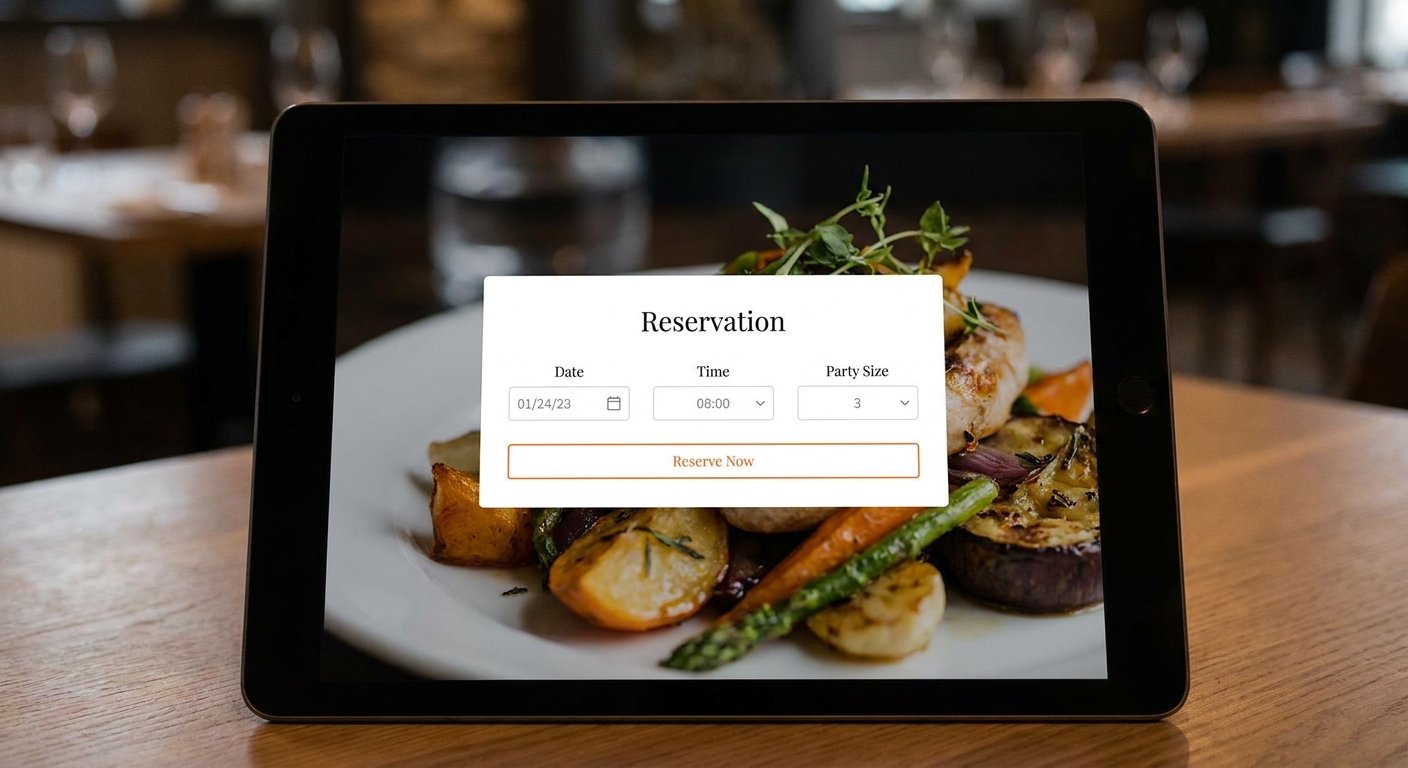
A hosted solution adds a reservation widget to any existing site. It is best for restaurants that already have a design they love but need a reliable booking engine.
The widget pulls real‑time table availability from a network of participating restaurants, so guests never see a double‑booked slot. The platform also pushes reservation data into the restaurant’s POS, reducing manual entry.
Because it is a SaaS product, monthly fees are predictable and there is no large upfront cost. The trade‑off is limited design freedom; you work within the provider’s style guidelines.
3. Drag‑and‑Drop Website Builder, Easy Design
This platform offers a library of ready‑made templates and an app market for menus, orders, and reservations. It is best for owners who want to launch quickly without hiring a developer.
The drag‑and‑drop editor lets you place a photo, a text block, and a booking button in minutes. It also includes a menu app that creates HTML menus readable by search engines, a step up from PDF menus.
One limitation is that multilingual support requires a third‑party app, which can add extra cost and complexity.
For a quick look at the template gallery, visit the official page for the website builder's restaurant templates. It shows dozens of styles from pastry shops to fine‑dining venues.
4. Template platforms, Visual focus
Some platforms provide polished templates that focus on visual storytelling. They are suited for restaurants that want a clean, image‑heavy site with built‑in SEO tools.
Templates often include a pre‑built menu page that auto‑indexes, allowing search engines to show individual dishes in results. Integration blocks can add reservation or ordering functionality.
The downside is that deep custom code can be harder to add, so very unique interactions may need a developer.
Explore the template library on the platform’s official tour. It walks you through design options and shows how to enable reservations.
5. Tock (by Squarespace) , High‑End Event Booking
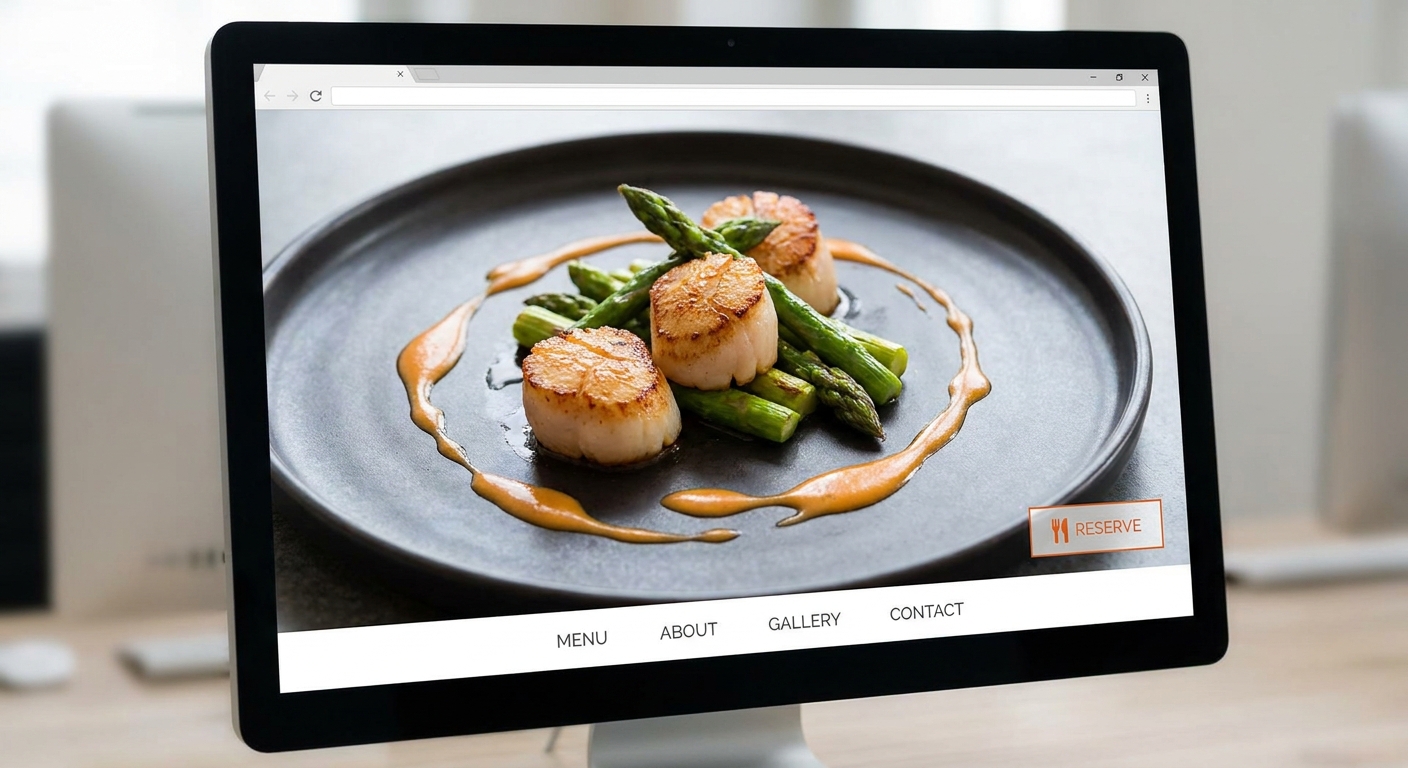
Tock is a reservation system that specializes in events, private dining, and ticketed experiences. It is best for upscale venues that host tasting menus, chef’s tables, or limited‑seat events.
The platform lets you set up multiple pricing tiers, collect deposits, and manage guest lists from a single dashboard. Tock also offers a waitlist feature that automatically fills cancelled slots.
Because Tock focuses on bookings, you will need another tool for a full website design. Pair it with Squarespace or a custom build for the best visual impact.
How to Choose the Right Restaurant Website
Choosing the right platform starts with three questions: what is your primary goal, how much design control do you need, and what budget can you allocate?
If direct orders drive most of your revenue, look for native ordering and AI‑indexed pages. Fast mobile load times can improve conversion, and AI‑indexed pages improve visibility in “near me” searches.
For visual branding, a template‑based builder gives you fast launch times and beautiful layouts. If you need a custom brand story and multilingual SEO, a boutique agency such as Umania Labs is the only option that combines cinematic design with AI lead qualification.
Finally, match the pricing model to your cash flow. Subscription services charge a low monthly fee but add per‑order costs. Project‑based agencies require a larger upfront spend but own the site and its SEO equity.
Comparison of the Top Restaurant Websites
| Feature | Umania Labs | Standard reservation platform | Drag‑and‑drop website builder | All‑in‑one website platform | Tock |
|---|---|---|---|---|---|
| Cinematic design | Yes (custom) | No | Template‑based | Template‑based | None (booking only) |
| AI lead qualification | Yes | No | No | No | No |
| Multilingual SEO | Yes | Limited | Third‑party only | Built‑in | Limited |
| Reservation integration | Custom (via API) | Native | Website builder integration | Tock block | Native |
| Direct ordering | Custom flow | No | Ordering add‑on | ChowNow add‑on | No |
| Pricing model | Project‑based (€3k‑€150k) | Subscription | Subscription | Subscription | Subscription |
FAQ
What makes a restaurant website “best”?
The best sites combine fast load times, searchable HTML menus, and a clear call‑to‑action for reservations or orders. Speed and SEO directly affect how many diners find you online.
Do I need a custom design for a luxury restaurant?
A custom design helps you tell a unique brand story and can include cinematic video that standard templates cannot match. That extra flair often convinces high‑net‑worth guests to book.
Can I add multilingual support on Wix?
Wix offers third‑party apps for multilingual sites, but they add cost and may not integrate with every SEO tool. For smooth language handling, a bespoke agency or Squarespace’s built‑in features are easier.
Is reservation integration worth the extra cost?
If you fill most tables through online booking, a native integration reduces double‑bookings and saves staff time. Platforms like OpenTable and Tock provide this out of the box.
How does AI improve a restaurant website?
AI can read a visitor’s preferences, qualify leads, and suggest dishes in real time. This can boost visibility in AI‑driven searches and bring more direct orders.
What should I look for in pricing?
Subscription plans are low upfront but may charge per order. Project‑based builds have higher initial costs but give you full ownership of the site and its SEO equity.
Ready to upgrade your online dining experience? Reach out to the team at Umania Labs for a free strategy session and see how a cinematic, AI‑enabled site can turn browsers into booked tables.
Further reading:
- best restaurant websites