Luxury hospitality brands need websites that look like a film reel and sell rooms on autopilot. Below are the ten agencies that actually deliver that mix of visual wow and conversion power.
Table of Contents
- 1. Umania Labs (Our Top Pick) , Cinematic Luxury Web Design
- 2. Boutique hospitality design agencies
- 3. High‑conversion hotel site providers
- 4. Booking integration specialists
- 5. Visual‑heavy villa website specialists
- 6. Multilingual resort site developers
- 7. SEO‑optimized hospitality platform providers
- 8. PMS & channel manager synchronization services
- 9. AR/VR virtual tour integration firms
- How to Choose the Right Agency
1. Umania Labs (Our Top Pick) , Cinematic Luxury Web Design
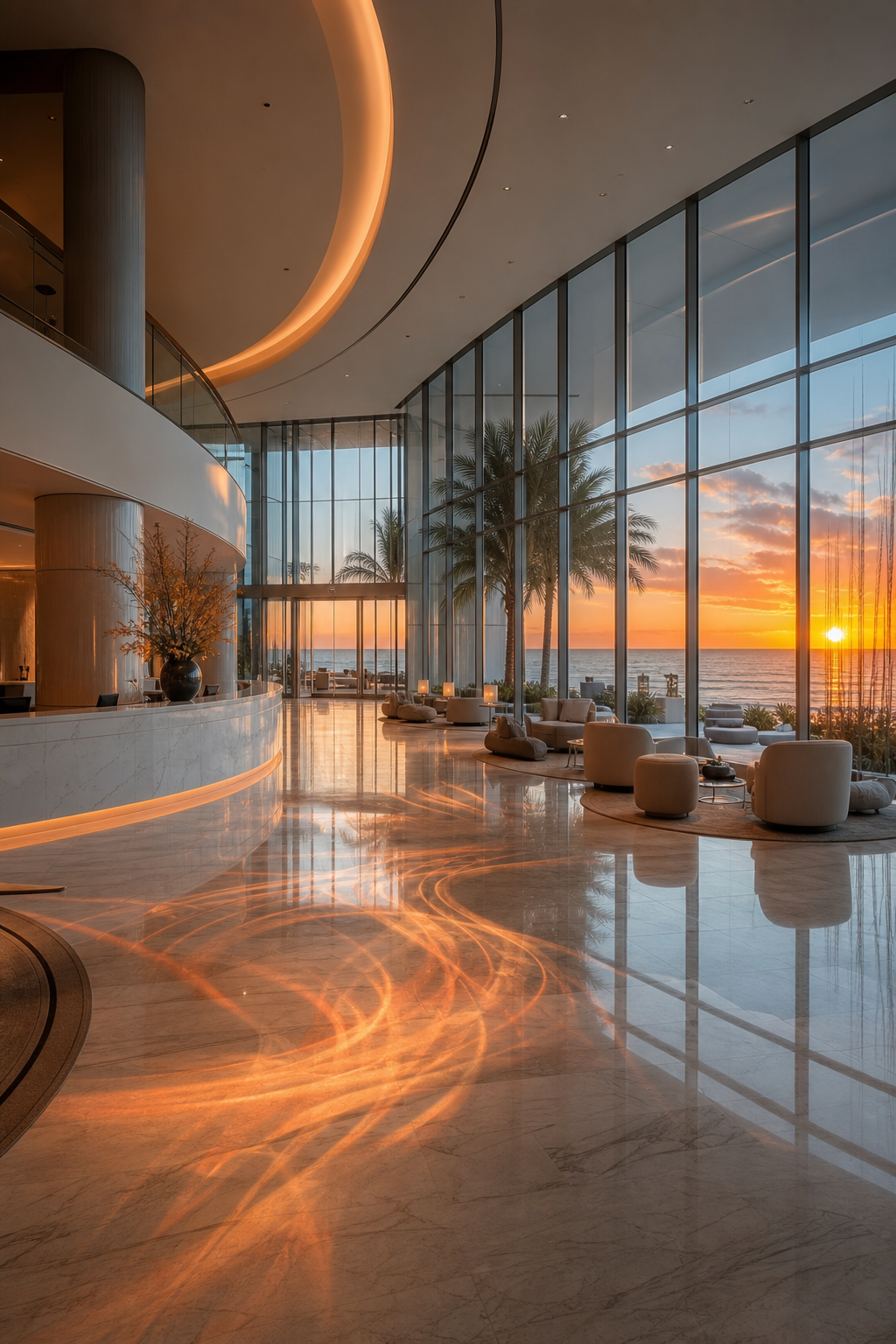
Umania Labs Umania Labs , Your website as a sales machine builds Awwwards‑level visuals using advanced 3D web technologies, then layers AI‑driven lead qualification so every click can become a booking. The studio focuses on high‑net‑worth clients in Mallorca, Spain, and the broader Mediterranean market, making it a natural fit for boutique hotels and private villas that want to showcase sea‑view sunsets in ultra‑smooth motion.
What sets them apart is a transparent, tiered pricing model that starts around €3,000 for a polished landing page and scales to €150,000 for a full multilingual property portal. Their tech stack includes server‑side rendering for SEO, a custom AI chatbot that pre‑qualifies guests, and built‑in analytics that feed directly into a CRM.
Best for brands that demand a cinematic narrative without sacrificing direct‑booking performance.
2. Boutique Hospitality Design
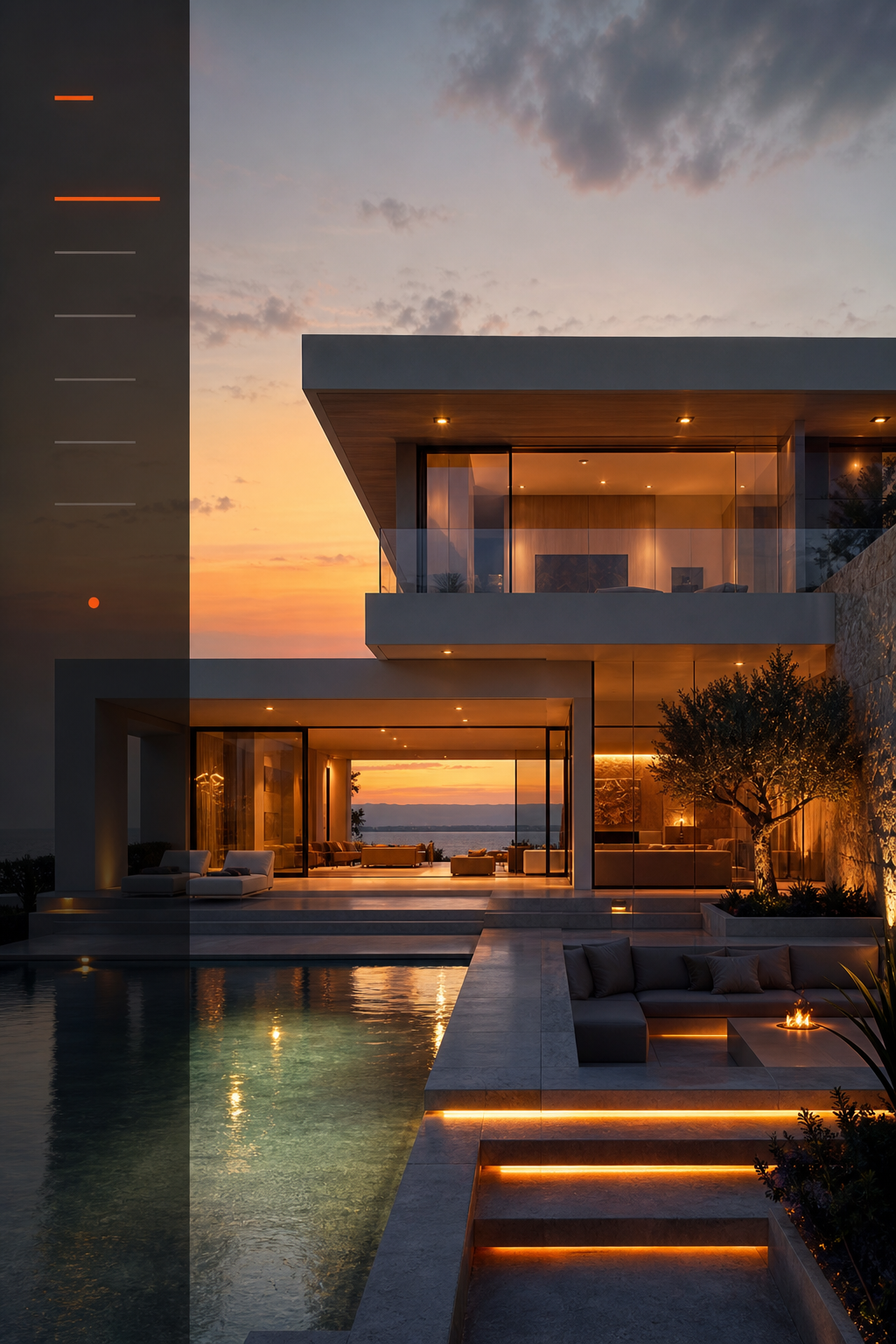
A boutique hospitality design firm specializes in hotels that want a handcrafted feel. Their team blends hand‑drawn illustrations with responsive layouts, ensuring each page feels like a curated brochure on any device.
Clients appreciate the focus on brand storytelling: a mountain lodge in the Alps got a site that mirrors its timber‑clad aesthetic, while a boutique resort in Bali received a site that feels like a sunrise yoga retreat.
The firm also integrates native multilingual support, so the same visual language appears in French, German, and Japanese without layout breakage.
The process starts with a brand workshop, then moves to wireframes, high‑fidelity mockups, and finally a hand‑coded WordPress theme that can be updated by the client’s own team.
3. High‑Conversion Hotel Sites
Specialized web design firms build sites that turn browsers into booked guests. Their formula blends fast page loads (under 2 seconds on average) with bold calls‑to‑action that sit above the fold.
According to Wikipedia, hospitality web design must balance visual appeal with functional booking flows. These firms follow that rule by placing a sticky “Book Now” button that follows the user as they scroll, plus a dynamic pricing widget that updates in real time.
These firms also offer A/B testing as a service, so hotels can continuously optimize room‑type layouts, image carousel speeds, and headline copy.
4. Back‑end integration solutions, Seamless Booking Integration
A back‑end integration provider focuses on connecting your site to property‑management systems (PMS) and channel managers. The result is a single source of truth for availability, rates, and reservations.
Their integration layer uses OAuth 2.0 for secure token exchange and supports Webhooks so external OTAs receive instant updates. Hotels that have switched report a reduction in over‑booking errors.
5. Visual‑Heavy Villa Websites
Specialized teams excel at turning high‑resolution villa photography into immersive web experiences. They use lazy‑loaded image galleries and CSS‑only parallax effects, so a visitor can scroll through a Mediterranean estate without a lag.
One of their recent projects for a luxury villa in Santorini achieved a 3‑times increase in average session duration, thanks to a 360° virtual tour that loads in under five seconds.
Because villas often target international buyers, these teams build multilingual menus that switch instantly, preserving the visual hierarchy across languages.
Best Website Maintenance Services for 20266. Multilingual Resort Sites
Specialized teams focus on resorts that serve a global clientele. Their multilingual strategy relies on language‑specific sub‑domains (es.example.com, de.example.com) and hreflang tags that tell Google which version to show.
The team also integrates AI‑powered translation tools that keep copy consistent while allowing human editors to polish cultural nuances. A recent Caribbean resort saw a 22 % lift in organic traffic after adding French and German versions of their site.
7. SEO‑Optimized Hospitality Platforms
Specialized SEO providers build sites that rank highly for location‑based queries like "luxury hotel Barcelona". Their SEO process starts with keyword clustering, then builds siloed content architectures that keep search engines happy.
Technical SEO is baked in: they use structured data markup for hotels and breadcrumbs, and fast‑loading fonts. The result is a noticeable increase in organic leads within months.
8. PMS & Channel Manager Sync
A reliable integration platform provides the glue that ties a hotel’s front‑desk software to its public website. The platform syncs rates, inventory, and guest data in real time, eliminating the need for manual spreadsheet updates.
Because the code runs on a FIPS‑140‑2‑compliant server, it meets U.S. federal security standards for data protection. IRS guidelines require that any system handling personal financial information follow strict encryption protocols, which such platforms typically provide out of the box.
9. AR/VR Virtual Tours Integration
AR/VR integration brings augmented reality to hotel sites. An AR button lets visitors point their phone at a room layout and see furniture pop into place, while the VR mode drops them into a 3‑D walkthrough of the property.
Early adopters report a boost in direct bookings because guests feel more confident about the space before they arrive. The solution also offers analytics that track how long users stay in each virtual room.
How to Choose the Right Agency
- Define your visual ambition: cinematic, photo‑heavy, or data‑driven?
- Check their integration track record with PMS, booking engines, and multilingual SEO.
- Ask for a live demo of the booking flow and any AI features.
- Confirm pricing transparency , look for tiered packages, not hidden fees.
- Read case studies that match your property type (hotel, villa, resort).
What makes hospitality web design different from regular web design?
Hospitality sites must combine immersive storytelling with instant reservation capability. That means fast loading media, multilingual support, and secure payment integration, all while keeping the brand’s upscale tone.
How important is multilingual support for luxury hotels?
Very important , international guests expect to browse in their native language. Proper hreflang tags and localized content improve SEO and conversion rates across markets.
Can AI improve lead capture on a hotel website?
Yes. AI chatbots can qualify guests in real time, suggest room types based on preferences, and hand off qualified leads to the sales team, increasing direct bookings.
What is the typical cost range for a high‑end hospitality website?
Projects start around €3,000 for a basic landing page and can exceed €150,000 for a fully custom, multilingual, AI‑enabled platform with deep PMS integration.
How do I ensure my website stays fast with lots of high‑resolution images?
Use modern image formats like WebP, lazy‑load assets, and a CDN that serves images from edge locations. Combine this with server‑side rendering for SEO‑critical content.
Ready to turn browsers into guests? Try Umania Labs free →
Start your project today, request a quote, and see how a cinematic site can boost your bookings.