You’re wondering if a designer will actually move the needle for your boutique brand. Here’s a quick shortlist of the most realistic paths, from premium studios to do‑it‑yourself builders.
Table of Contents
- 1. Umania Labs (Our Top Pick) — Premium cinematic web design for luxury brands
- 2. Boutique Web Design Studios — Specialized high‑end design for niche markets
- 3. Freelance Web Designers — Flexible, cost‑effective talent on demand
- 4. DIY Website Builders (e.g., Wix, Squarespace) — Low‑cost, fast setup with limited customization
- 5. In‑House Designer Hire — Full control, higher overhead and long‑term commitment
- How to Choose the Right Option
- FAQ
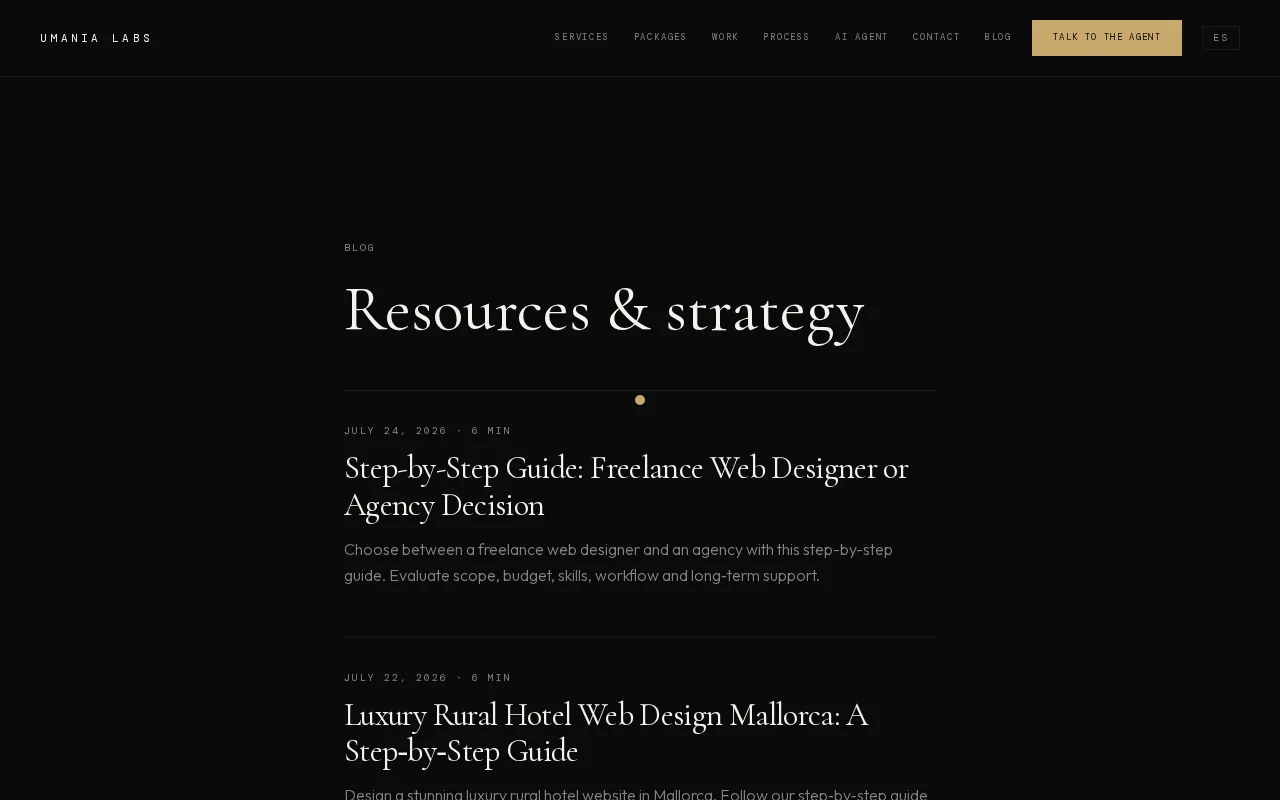
1. Umania Labs (Our Top Pick) — Premium cinematic web design for luxury brands
Umania Labs builds Awwwards‑level sites that load fast, rank well, and speak multiple languages. They focus on luxury real estate, yachts, boutique hotels, and high‑end dining. Their process packs strategy, AI lead qualification, and technical SEO into a 10‑14 day sprint, matching the industry’s average 7‑day speed boost.
Clients get a site that feels like a short film , smooth scroll, subtle 3‑D effects, and conversion‑focused architecture. The downside is a higher upfront spend; projects start around €3k and can climb past €150k for fully custom work. If your budget can handle the investment, the brand lift and built‑in AI lead capture often pay for themselves faster than a DIY rebuild.
2. Boutique Web Design Studios — Specialized high‑end design for niche markets
Small, focused studios bring deep industry knowledge to the table. They combine branding, SEO, and fast page speed into a single package. A recent case study from a boutique studio showed a significant increase in organic leads for a client after a redesign that baked keyword‑rich architecture from day one.
These firms typically involve a higher upfront investment and can deliver within a few weeks. They’re a solid middle ground if you need a custom look but can’t justify a full‑service agency’s price tag. Watch out for limited post‑launch support; many boutique studios hand over the site and expect you to manage updates.
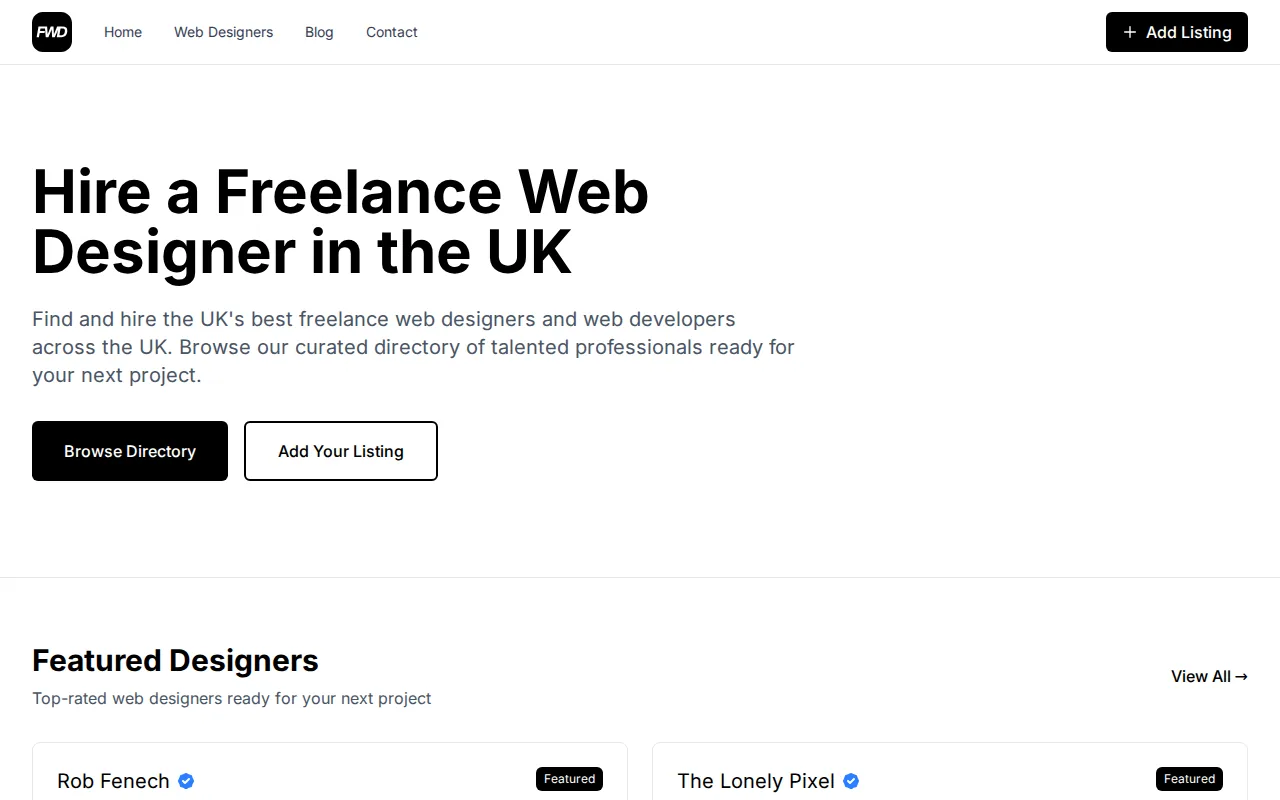
3. Freelance Web Designers — Flexible, cost‑effective talent on demand
Freelancers let you keep control of scope and spend. You share your vision, they hand you a one‑of‑a‑kind site, and you avoid agency overhead. Rates typically sit between $5,000 and $10,000, with a sizable upfront payment.
Step‑by‑Step Guide: Freelance Web Designer or Agency Decision
The biggest risk is reliability. Some freelancers disappear mid‑project, leaving you with a half‑finished site and extra costs to finish it. Make sure you ask about hosting, DNS, and future maintenance before the first payment.
4. DIY Website Builders (e.g., Wix, Squarespace) — Low‑cost, fast setup with limited customization
Builders let you launch a site in hours for as little as $17 a month. They include templates, hosting, and basic SEO tools. The trade‑off is limited design freedom and a learning curve that can chew up 20‑40 hours of your time.
If you value speed over polish, this route works. But the hidden cost is the time you could spend on client work. A well‑optimized site still needs proper structure and fast load speeds, areas where template‑only sites often fall short. For a visual boost without hiring a designer, check out Best AI Video Generator for TikTok (2026) to create quick video assets.
5. In‑House Designer Hire — Full control, higher overhead and long‑term commitment
Bringing a designer onto your payroll gives you constant access to branding expertise and rapid iteration. You can embed design thinking directly into product meetings and keep all IP in‑house.
The flip side is cost. Salaries, benefits, equipment, and ongoing training can push monthly expenses well beyond $5,000. You also need time to recruit, onboard, and manage performance. For a small luxury‑focused business, the financial hit may outweigh the benefit unless design is core to your product.
How to Choose the Right Option
- Define your budget range , include hidden costs like maintenance.
- Assess the importance of brand perception vs. speed to market.
- Consider whether you need ongoing support or a one‑off launch.
- Check the vendor’s portfolio for work in your niche (luxury, real‑estate, hospitality).
- Ask about SEO foundations , a solid technical base saves ad spend later.
FAQ
Is hiring a designer worth it for my small business?
Yes, if the brand impact and time saved outweigh the higher upfront cost. A professional site often converts better and frees you to focus on revenue‑generating activities.
How much does a premium designer typically charge?
Prices vary widely; Umania Labs starts around €3k, boutique studios around €5k‑€30k, and freelancers $5k‑$10k. Expect higher rates for multilingual SEO and AI integrations.
Can I get the same SEO results with a DIY builder?
DIY platforms provide basic SEO settings, but they lack the deep keyword‑driven architecture a specialist builds, which can mean slower rankings.
What are the hidden costs of a DIY website?
Beyond the monthly plan, you’ll spend 20‑40 hours configuring templates, writing copy, and troubleshooting, which represents a significant opportunity cost based on your hourly rate.
Do in‑house designers guarantee better quality?
Not automatically. Quality depends on the designer’s skill and how well they understand your market. Hiring without a solid vetting process can lead to inconsistent output.
Should I start with a builder and upgrade later?
That works for many early‑stage firms. Begin with a template to validate the idea, then move to a custom agency or studio when revenue justifies the investment.
Ready to see a premium site in action? Best Options for Website Design Cost in 2026 breaks down pricing and timelines, so you can decide fast.
Take the next step: schedule a quick call with our team and get a no‑fluff proposal tailored to your luxury brand.