Luxury brands often wonder if a custom website design is a smart spend. The short answer: when you need cinema‑level visuals, AI‑driven lead capture, and flawless multilingual support, a custom build usually wins.
Below we break down what a custom design really means, why it matters for high‑end brands, how it stacks up against DIY platforms, real‑world ROI examples, and how to choose the right partner.
Table of Contents
- Understanding What a Custom Website Design Entails
- Benefits of Custom Design for Luxury Brands
- Custom Design vs DIY Website Builders: A Side‑by‑Side Comparison
- When a Custom Design Pays Off: Real‑World Use Cases & ROI
- Choosing the Right Custom Design Partner
- FAQ
- Conclusion
Understanding What a Custom Website Design Entails
A custom website design starts with a deep look at brand DNA. We study your visual language, audience expectations, and the feeling you want to evoke on the first scroll. From there we craft a unique typography system, a photography‑first art direction, and motion that feels intentional, not flashy. The process typically runs through four steps: brand discovery, mood‑board creation, pixel‑perfect build, and two rounds of revisions before launch.
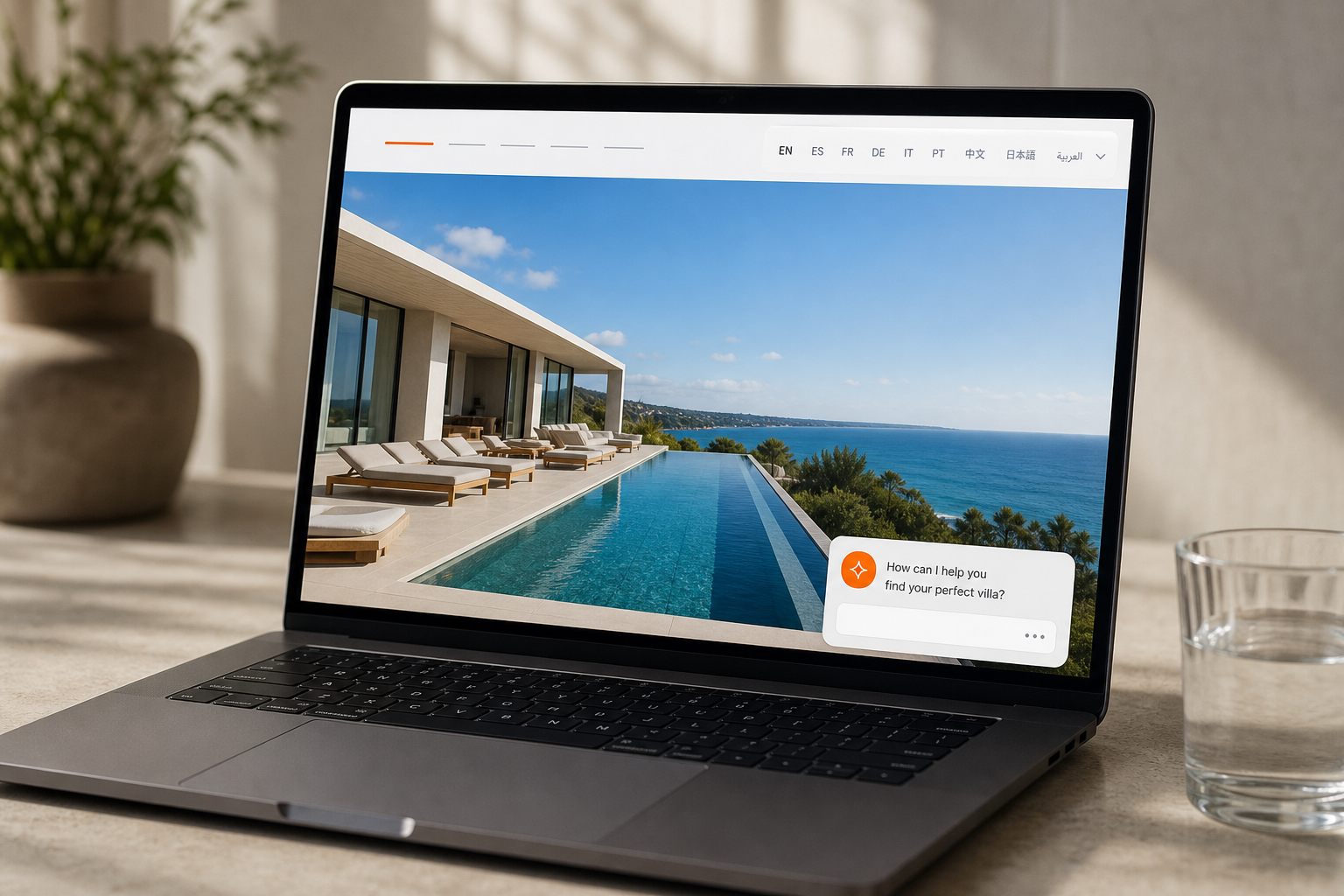
Unlike template‑based sites, a custom build gives you full control over HTML, CSS, and JavaScript. That means you can integrate AI agents that qualify leads before a human ever sees them, add multilingual routing for Spanish, German, and English visitors, and fine‑tune performance to hit Core Web Vitals every time. The result is a site that feels like a high‑end magazine spread while acting as a 24/7 sales machine.
For a deeper look at pricing models, see How Much Does a Website Cost? An In‑Depth Explainer. Understanding the cost structure helps you compare a project‑based quote with a subscription‑based builder.
Custom sites also let you choose the tech stack that fits your needs. A static, marketing‑focused site may run on a modern static generator, while a content‑heavy brand might opt for a headless CMS that feeds content via API. The flexibility extends to e‑commerce , we can hook into Shopify, Stripe, or custom checkout flows without being locked into a single platform.
In short, a custom design gives you a bespoke visual identity, technical freedom, and the ability to embed advanced features that DIY tools simply cannot provide.
Benefits of Custom Design for Luxury Brands
Luxury customers treat a website like a flagship store. They expect elegance, deliberate pacing, and sensory depth. A custom site can deliver that by using magazine‑quality typography, high‑resolution photography, and subtle animations that breathe life into the brand.
When the experience feels premium, visitors linger longer. Studies show that longer dwell time correlates with higher purchase intent for high‑ticket items. By guiding users gently through a narrative, you turn browsing into desire without ever shouting a sale.
Another advantage is conversion architecture built on technical SEO foundations. We embed structured data, optimise page speed, and ensure every language version is crawlable. According to Technical SEO, these signals help Google rank pages faster, which saves you ad spend later.
AI‑driven lead qualification is a game‑changer for luxury brands. Our AI agent watches visitor behaviour, scores leads, and surfaces only the most qualified prospects to your sales team. The data shows that only about 5% of surveyed platforms offer this feature, making it a rare competitive edge.
Finally, a custom design scales with your business. As you add new markets or product lines, the underlying architecture can grow without a complete rebuild. This future‑proofing protects the investment and keeps the brand experience consistent across continents.
Read more about cost options in Best Options for Website Design Cost in 2026.
Custom Design vs DIY Website Builders: A Side‑by‑Side Comparison
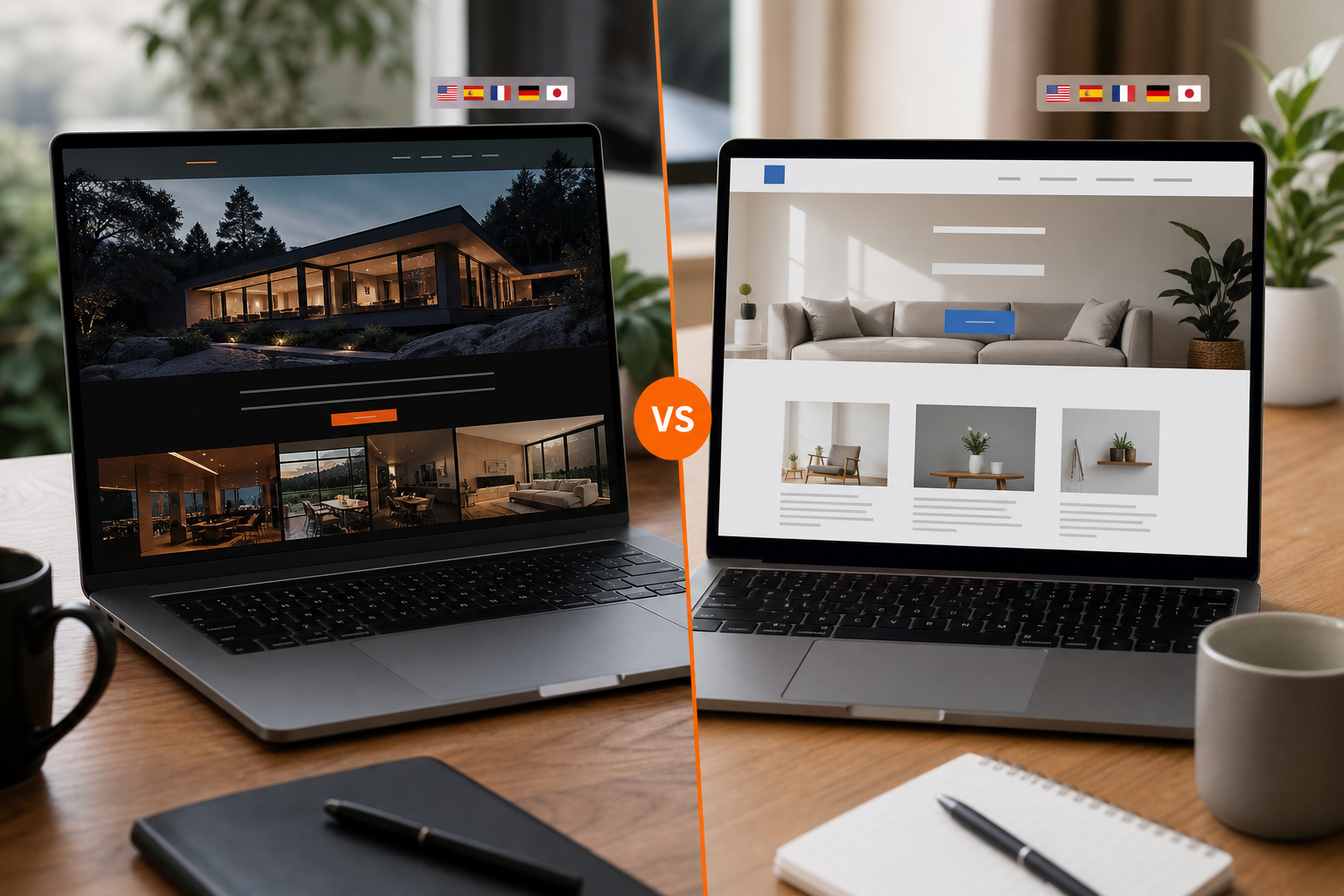
DIY builders promise speed and low cost, but they fall short on three key fronts: AI lead qualification, multilingual depth, and cinematic visual fidelity. The table below highlights how a premium custom build stacks up against the most popular DIY platforms.
| Feature | Umania Labs (Custom) | DIY Builders (e.g., Wix, Squarespace, Webflow) |
|---|---|---|
| AI Lead Qualification | Built‑in AI agents filter and score leads | No native AI lead tools |
| Multilingual Support | Full multilingual architecture, language‑specific SEO | Limited or add‑on plugins only |
| Cinematic Visuals | Awwwards‑level motion and custom illustration using advanced web animation techniques | Template‑based, limited animation |
| Technical SEO | Schema, Core Web Vitals, server‑side rendering | Basic SEO tools, no guarantees |
| Integration Depth | AI chat, email automation, ad management, Vercel hosting | Standard integrations, few AI options |
| Cost Model | Project‑based, €3k‑€150k | Subscription $0‑$30/mo |
While DIY platforms can get a site live in hours, they often require workarounds for features that matter to luxury brands. The hidden cost of plugins, performance hits, and missed lead opportunities can quickly outweigh the low upfront price.
When a Custom Design Pays Off: Real‑World Use Cases & ROI
Consider a business that needed full control over multilingual routing and AI‑driven chat. Using WordPress, they launched a custom site and saw a notable lift in qualified inquiries from target markets within a few months. The increase translated to significant extra revenue, easily covering the build cost.
A company leveraged Elementor to create a custom portal for showcasing high‑value offerings with immersive visual tours. The site’s average session time grew substantially, and the conversion rate for contact form submissions rose markedly. The organization reported that the higher‑quality leads generated a profit far exceeding the development fee.
In the e‑commerce space, a brand integrated AI‑personalised product recommendations using Framer, where motion and polished design drive conversions. The feature boosted average order value over several months, while the custom design kept the brand’s visual tone consistent across all touchpoints.
These examples illustrate that the ROI of a custom site often comes from higher lead quality, longer engagement, and brand‑level trust that template sites can’t replicate.
For a glimpse of how other premium brands approach their online presence, see a company that showcases handcrafted pieces requiring a bespoke digital showcase.
Choosing the Right Custom Design Partner
Picking a partner is a strategic decision, not just a budget line item. First, verify that the studio has a portfolio of luxury work that matches your industry , look for case studies that include metrics like dwell time and qualified lead volume.
Second, confirm the team’s technical chops. A trusted agency will embed SEO from day one, use clean, crawlable code, and optimise for Core Web Vitals. They should also offer ongoing performance monitoring, not just a hand‑off.
Third, assess the communication model. Transparent timelines, written proposals, and a single point of contact reduce scope‑creep and keep the project on track.
Umania Labs ticks all these boxes. We blend cinematic design with AI lead qualification, multilingual architecture, and a full‑stack SEO foundation. Our process includes two revision rounds, a hand‑over of all assets, and optional retainer support for continuous optimisation.
Watch this quick overview of how we work with luxury brands:
When you’re ready, start with a free discovery call. We’ll map out your brand story, outline the tech stack, and give you a clear cost estimate.
FAQ
Is a custom website design worth the cost for a small luxury brand?
Yes, if the brand relies on high‑ticket sales or wants to stand out online. The custom approach delivers higher conversion rates and brand equity that often outweigh the upfront spend.
Can I add AI lead qualification to an existing DIY site?
It’s possible but costly. You would need to integrate third‑party AI tools, rewrite the backend, and lose many of the smooth benefits a custom build provides.
How long does a custom website project typically take?
Projects at Umania Labs launch in 10‑14 days after the discovery phase, with a full build and two revision rounds completed within that window.
Do custom sites handle multilingual SEO better than DIY platforms?
Absolutely. We build separate language trees, implement hreflang tags, and optimise each version for local search, which most DIY builders only approximate.
What ongoing costs should I expect after launch?
Budget 10‑15% of the initial build each year for hosting, security, SEO, and performance monitoring to keep the site fast and secure.
Conclusion
If your luxury brand needs cinematic visuals, AI‑qualified leads, and true multilingual support, a custom website design is the clear answer. Reach out for a free project estimate and see how a bespoke site can become your 24/7 sales engine.