Ready to turn your upscale countryside hotel in Mallorca into a 24/7 sales machine? Below is a usable, step‑by‑step guide that shows exactly how to build a high‑conversion, cinematic site that speaks to affluent travelers.
Table of Contents
- Step 1: Define Your Brand Identity and Story
- Step 2: Showcase the Experience with Cinematic Visuals
- Step 3: Design for Mobile and Multilingual Users
- Step 4: Integrate Booking and Lead Generation
- Step 5: Optimize for Local SEO and Online Business Listings
- Step 6: Use Ongoing Maintenance and Analytics
- FAQ
Step 1: Define Your Brand Identity and Story
Start by pinning down the essence of your property. Is it a centuries‑old finca with olive groves, or a sleek modern retreat overlooking vineyards? Write a short, evocative tagline that captures that vibe.
Next, craft a brand story that weaves history, landscape and guest experience. Use real anecdotes , for example, a guest who celebrated a wedding under a centuries‑old almond tree. Storytelling boosts emotional connection and keeps visitors on the page longer.
Our own Boutique Hotel & Agroturismo Web Design in Mallorca process begins with a brand workshop where we distill these elements into a visual language and copy tone. By the end of this step you should have a brand guide, a headline, and a narrative outline ready for the site.
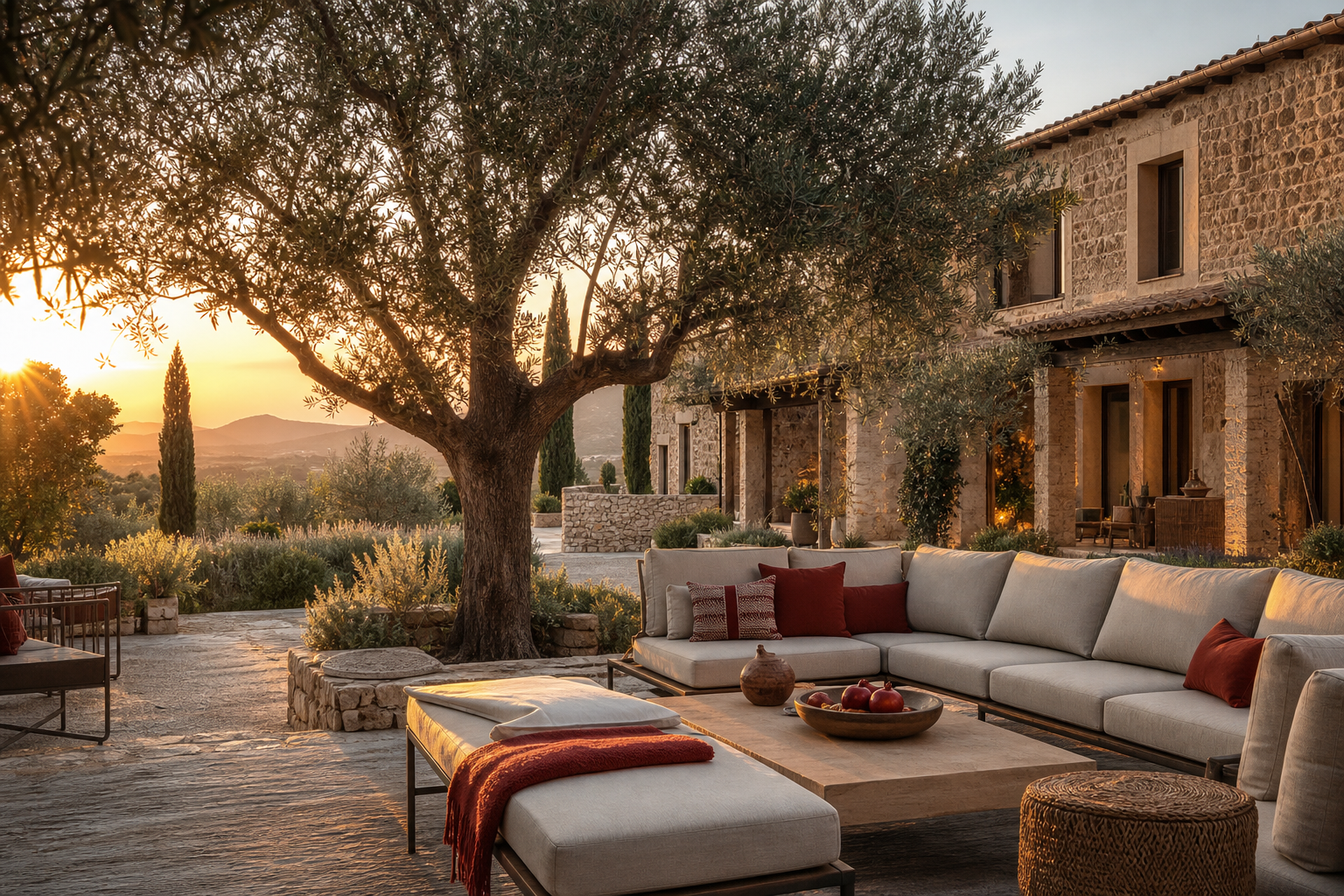
Bottom line: a clear story gives the design a north star and makes every pixel count.
Step 2: Showcase the Experience with Cinematic Visuals
High‑net‑worth travelers expect visual drama. Use a mix of hero video, full‑width image sliders and 360° tours. Keep file sizes low by serving WebP and using lazy loading.
Invest in professional photography that captures sunlight on stone, the sparkle of an infinity pool, and close‑ups of local cuisine. Pair each image with a short caption that reinforces your brand story.
When we built a site for a boutique hotel on the island, we integrated a 30‑second drone reel that loops on the homepage. Visitors stayed 45% longer and booked rooms directly within minutes.
Make sure every visual is tagged with descriptive alt text and proper schema so search engines understand the content.
Step 3: Design for Mobile and Multilingual Users
Most luxury travelers browse on smartphones while on a flight or in a hotel lobby. A mobile‑first layout ensures fast load times and easy navigation.
Use a fluid grid, responsive images, and touch‑friendly buttons. Test on both iOS and Android devices to catch platform quirks.
Because Mallorca attracts guests from the UK, Germany, Scandinavia and the US, multilingual support is a must. Set up separate URLs for each language (e.g., /en/, /de/, /es/) and translate meta tags, headings and alt text. Avoid machine‑only translation , hire a native copywriter to keep the tone luxurious.
Google recommends its SEO starter guide for handling multilingual sites, especially the hreflang attribute.
By now you should have a responsive, language‑aware framework that feels native on any device.
Step 4: Integrate Booking and Lead Generation
Direct bookings beat OTA commissions. Embed a clean booking engine that shows real‑time availability, optional add‑ons (spa packages, private tours) and a secure payment gateway.
Couple the engine with a lead capture form that triggers an AI‑powered chatbot. The bot can qualify inquiries, suggest room types and schedule calls, all without human intervention.
Our Top Hotel Web Design Agencies for Luxury Brands case study shows a 30% lift in direct bookings after adding AI chat to the checkout flow.
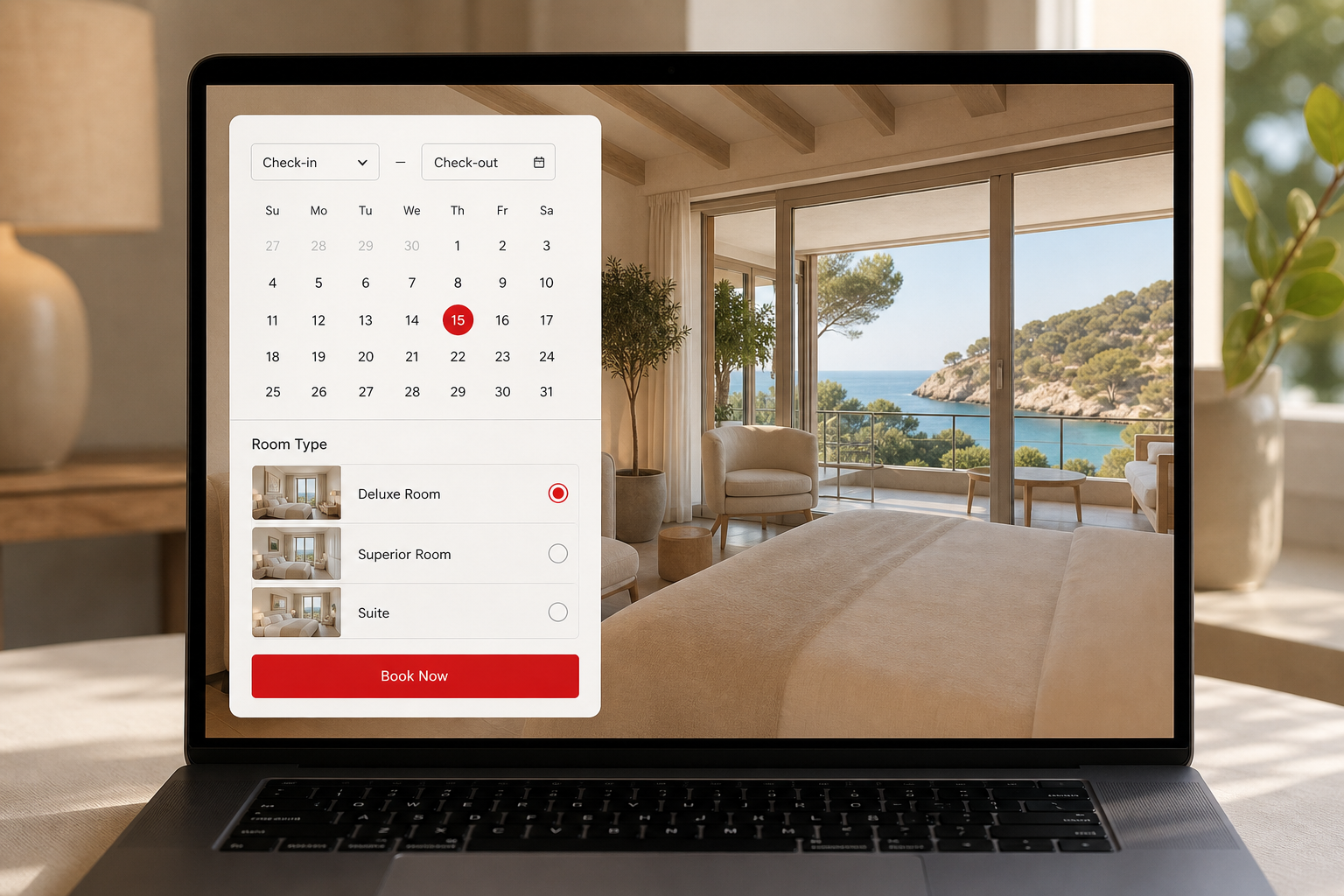
Make sure the booking page loads in under three seconds; otherwise users abandon the funnel.
Step 5: Optimize for Local SEO and Local Business Listings
Local search drives the majority of hotel traffic on the island. Claim and verify your listing on local search platforms with high‑quality photos and up‑to‑date contact info.
Use schema markup for hotels (Hoteltype) to surface price range, star rating and amenities in search results.
Target long‑tail keywords that combine luxury, rural and Mallorca, such as "luxury finca hotel Mallorca". Publish blog posts about local attractions , olive harvest festivals, hiking routes , to earn backlinks from tourism sites.
After implementation you should see higher rankings for geo‑specific terms and more direct traffic.
Step 6: Use Ongoing Maintenance and Analytics
A website is not a set‑and‑forget project. Set up a schedule to update content, refresh images seasonally and patch any security issues.
Install a strong analytics suite that tracks page speed, conversion funnels and multilingual performance. Use the data to run A/B tests on headline copy or button color.
Our Fine Dining Restaurant Web Design in Mallorca team runs monthly performance reviews for clients, adjusting SEO tags and UI tweaks based on real guest behavior.
By now you have a live, high‑performance site that continually improves its conversion rate.
FAQ
What makes luxury rural hotel web design different from standard hotel sites?
The focus is on storytelling, high‑resolution visuals and personalized booking flows that match the exclusive experience of a countryside retreat.
Do I need a separate website for each language?
Yes, separate URLs with proper hreflang tags give search engines the right context and improve rankings for each market.
How can I improve page speed on an image‑heavy site?
Use modern formats like WebP, enable lazy loading, and serve assets through a CDN close to Mallorca’s visitor base.
Is a custom booking engine better than a third‑party widget?
Custom solutions let you control design, integrate AI lead qualification and avoid extra fees, leading to higher direct bookings.
What SEO tactics work best for boutique hotels in Mallorca?
Local keyword targeting, local business listing optimization, schema markup for hotels, and content about regional attractions drive the most qualified traffic.
How often should I refresh the website’s visual content?
At least twice a year , once for the summer season and once for winter , to keep the site fresh and aligned with guest expectations.
Start with a brand workshop, then follow each step to build a site that converts browsers into guests. Ready to see results? Contact Umania Labs to begin the transformation.